
What’s Legal For Solar Batteries In Council Housing?
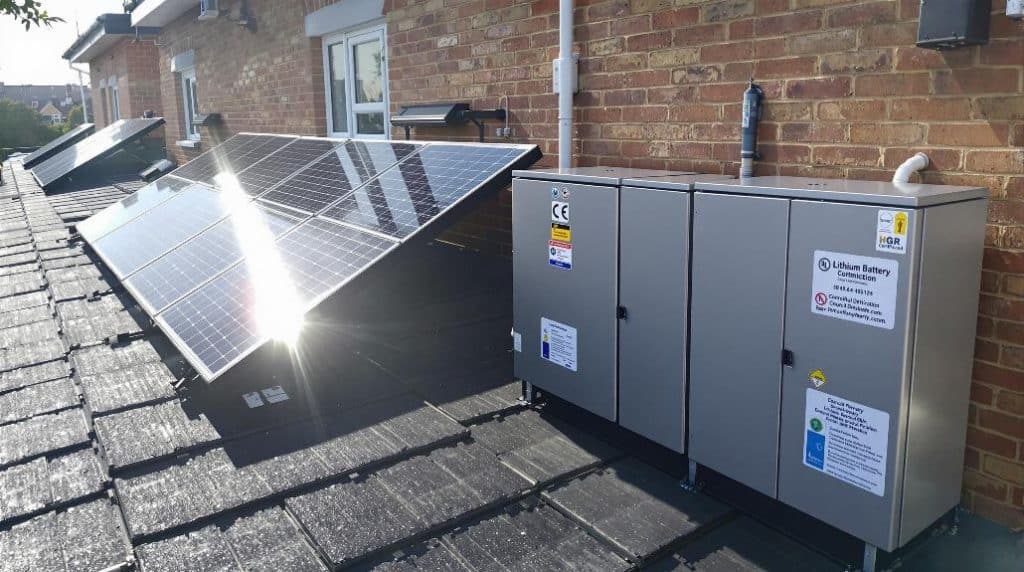
When it comes to solar batteries in council housing, you've got a few things to take into account. First, you'll need to check local regulations and get the necessary permits. These can include building, electrical, and interconnection permits. Battery systems generally need to be at least 7.5 kWh, with your best bets for installation being in garages or shaded areas. Plus, keep in mind that some areas may require fire department approval. If you're looking for a more community-oriented approach, shared solar systems can be a smart option too! Want to know more about how you can get started? Let's keep going!
Key Takeaways
- Council housing residents must adhere to local regulations and obtain prior approval for solar battery installations.
- Minimum battery size of 7.5 kWh is recommended for compliance with safety standards.
- Installation locations should be chosen carefully, avoiding direct sunlight and considering ventilation.
- Fire department approval may be required, especially for indoor battery storage.
- Community solar systems provide access to renewable energy without individual installations, beneficial for council housing tenants.
Legal Requirements for Installation
When considering the installation of solar batteries in council housing, it's essential to understand the legal requirements that govern the process. You don't want to find yourself tangled in red tape, right?
First, familiarise yourself with federal guidance from HUD. They've rolled out updated policies that simplify how Public Housing Authorities can implement solar energy programmes. You might even benefit from community solar credits!
Next, let's talk about state-level regulations. Each state has solar access laws that can limit what your HOA can say about your shiny new panels. Generally, these laws protect your right to install solar, but local rules may also come into play. So, double-check the specifics in your area.
Installation requirements can get a bit tricky too. In Texas, for example, while HOAs can't outright ban solar devices, they can impose some conditions. You'll likely need prior approval for your installation, and make sure your panels fit within any visual standards.
Permitting Process Explained
Before diving into the installation of solar batteries in council housing, it's crucial to grasp the permitting process, as it sets the foundation for a smooth project.
Think of it as the paperwork party you can't skip! First, you'll need a building permit to guarantee everything is structurally sound, followed by an electrical permit to keep things safe and compliant.
Then comes the interconnection permit, which allows your solar system to connect to the utility grid.
You'll have to submit detailed documentation, including construction and plot plans. For rooftop installs, two sets of plans are required, whilst three are needed for free-standing panels.
After you submit your application, expect a review within 5-7 business days. If all goes well, you can schedule inspections—often as soon as the next business day!
Battery Storage Specifications
After traversing the permitting process, it's time to focus on the specifications for battery storage. You've got to take into account a few key aspects, like size and capacity, installation locations, safety, and compliance. It's a lot, but don't worry, you've got this!
Here's a quick look at some important specifications:
| Specification | Details |
|---|---|
| Size and Capacity | Minimum 7.5 kWh for single-family homes and multifamily buildings—stacking is allowed! |
| Installation | Best in a garage, out of sunlight; outdoor options are available! |
| Safety Standards | Follow AS/NZS 5139:2019 and local codes—fire department approval might be necessary. |
You'll want to guarantee your battery can hold enough solar energy, and the location matters too. Indoor installations have lower capacity limits than outdoor ones. Plus, safety is essential—think about ventilation and avoiding fire hazards. You'll be a pro at this before you know it, guaranteeing your home is energy-efficient and safe! Just imagine the satisfaction of harnessing the sun's power right in your own backyard!
Community Shared Systems Overview
Community shared solar systems offer an innovative solution for those looking to harness solar energy without the need for personal installations.
Imagine being part of a community where you can enjoy clean, renewable energy, even if you rent or have a shady roof. With community solar, you can either own a piece of the system or subscribe to the energy it produces, making it accessible to everyone.
You don't need to worry about climbing up on your roof to install panels. Instead, you simply get credits on your utility bill based on how much electricity your share generates.
Plus, these projects often prioritise low- and moderate-income households, ensuring everyone can benefit.
Monitoring and Compliance Standards
As interest in solar energy grows, understanding the monitoring and compliance standards surrounding solar batteries becomes vital for residents in council housing. You want to make sure you're playing by the rules while enjoying the benefits of your new system.
Local governments often adopt specific codes, like the ICC 2018 International Residential Code, which includes solar-ready provisions. In California, for example, the 2022 Title 24 code mandates energy storage systems for new nonresidential projects.
Fire safety's another biggie. The PAS 63100:2024 guidelines lay out safe installation practices to minimise fire risks. Who wants a solar battery turning into a campfire, right? Smart installations and proper fault management procedures are essential here.
Performance matters, too. You'll need to be aware of the required PV system size, based on your space and needs.
And don't forget about local regulations that protect your solar access. Some laws even restrict HOAs from saying no to your shiny new solar gadgets.
Benefits of Solar Batteries in Housing
Solar batteries offer a range of benefits that can transform your living experience in council housing.
First off, they give you energy independence. Imagine being able to choose when to use, store, or even share your solar power! You can enjoy solar energy even when the sun's not shining, which is especially handy during grid outages or emergencies.
Financially, these batteries can be a game-changer. By using stored energy during peak demand, you can seriously slash those pesky energy bills. Plus, you'll avoid those high utility rates, which is always a bonus.
Think about using your stored energy in the evenings when prices are high—that's just smart!
Environmentally, solar batteries help reduce carbon emissions and lessen our reliance on fossil fuels. By capturing excess solar energy, you're not just saving money—you're also supporting a cleaner planet.
Lastly, they come with technical perks, like real-time tracking of your energy usage. With warranties lasting up to ten years, it's like having a trusty sidekick for your energy needs.
Conclusion
So, you're all set to explore solar batteries in council housing! With the right legal info, a clear permitting process, and some cool shared systems, you can enjoy the benefits of renewable energy. Plus, who doesn't love saving on those energy bills? Just remember to stay on top of monitoring and compliance, and you'll be well on your way to a brighter, greener future. Embrace the sun, and let it power your home—it's like having your own mini power plant!