
UK Wind Turbine Permits: Your Home Guide 2024
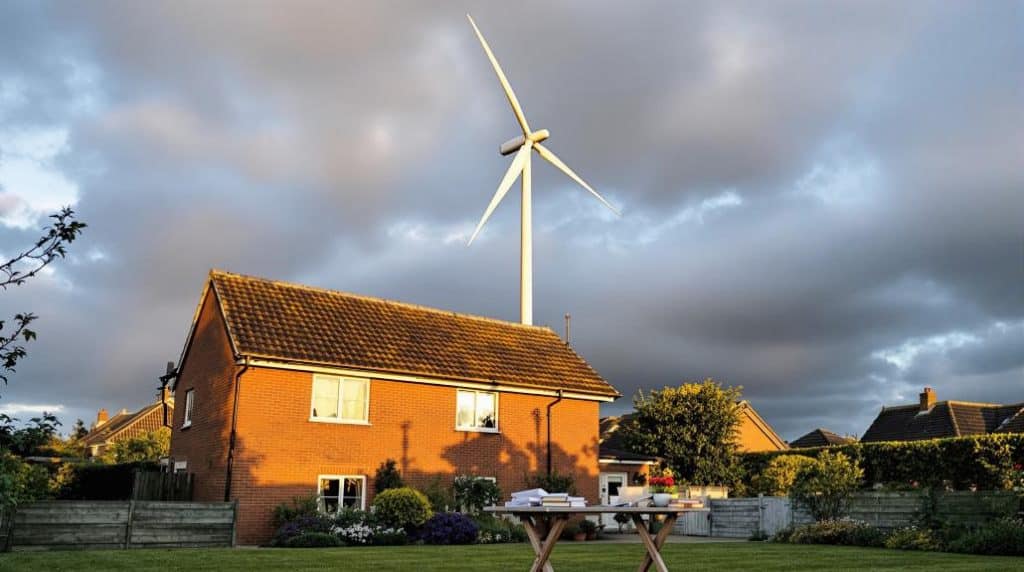
Steering through UK wind turbine permits in 2024 can feel a bit like a treasure hunt, but it's easier than it seems! First, check if you need planning permission; in England, single turbines under certain heights might not need it. Scotland's a bit more laid-back, while Wales and Northern Ireland require permission for all types. Keep noise regulations and local rules in mind, too! If you're thinking of installing a turbine, make sure it's compliant with guidelines, like height limits. Curious about how all this could benefit you and your community? There's plenty more to uncover!
Key Takeaways
- Check local regulations with your Local Planning Authority (LPA) to understand specific requirements for wind turbine installation in your area.
- In England, single turbines may not need planning permission if they meet height criteria; Scotland has more lenient rules for pole-mounted turbines.
- Planning permission is always required for roof-mounted turbines in Scotland and for all turbine types in Wales and Northern Ireland.
- Ensure compliance with height restrictions: standalone turbines must not exceed 11.1m, and building-mounted turbines must not exceed 15m.
- Stay informed about recent legislative changes, such as reduced minimum distances between wind farms and homes, to facilitate development.
Overview of Wind Turbine Regulations
When considering installing a wind turbine, understanding the regulations that govern their use is essential. You don't want to find yourself in hot water because you missed a vital guideline!
In England, for instance, your turbine mightn't need planning permission if it's the only one on your property and meets certain height requirements. Just remember, the blades must reach at least 5 metres off the ground.
In Scotland, you'll be glad to know that you can skip the planning permission if your pole-mounted turbine is more than 100 metres from property boundaries. But, keep in mind that conservation area restrictions are a hard no across the board.
Now, if you're in Wales or Northern Ireland, you'll need to roll up your sleeves for planning permission—it's mandatory!
Don't forget to check local guidelines, as they can vary. Oh, and let's not overlook noise regulations; no one wants a turbine that sounds like a jet engine.
Understanding Planning Permission
Understanding the planning permission process is essential for anyone looking to install a wind turbine. It can seem overwhelming, but breaking it down into bite-sized steps makes it manageable. Here's what you need to know:
1. Screening and Consultation: Start by chatting with your Local Planning Authority (LPA). They'll help you figure out if you need an Environmental Impact Assessment and whether your site is suitable for wind development.
2. Application Surveys and Submission: Next, you'll need to gather some data. Conduct surveys, prepare your plans, and consult with your community.
Once everything's in order, submit your application to the LPA.
3. Planning Decision: Finally, the LPA will review your application, taking into account local policies and community feedback.
Once they make a decision, they'll let you know. If it's a thumbs down, don't despair—you can appeal!
Domestic Installation Guidelines
Installing a wind turbine at home can be a great way to harness renewable energy, but it's crucial to follow the specific domestic installation guidelines. If you're in England, Scotland, or Wales, each region has its own rules, so let's break them down a bit.
Here's a quick overview of the key guidelines:
| Installation Type | Key Guidelines |
|---|---|
| Standalone Turbines | Max height 11.1m, blades at least 5m high. |
| Building-Mounted Turbines | Must be detached, not more than 15m high. |
| Pole-Mounted Turbines | 1.1 times turbine height from property edge. |
| General Requirements | No turbines in Conservation Areas or on safeguarded land. |
| Planning Permission | Often needed, especially for roof-mounted turbines. |
Before you get started, check these guidelines thoroughly. They'll save you from headaches later! Plus, you'll be contributing to a greener planet—like a superhero, but without the cape. Just remember, it's all about compliance and ensuring your turbine fits nicely into your neighbourhood. Happy installing!
Regional Differences in Regulations
While regulations for wind turbine installations vary across the UK, each region has its own set of rules designed to address local needs and environmental concerns.
If you're considering a wind turbine, it's vital to understand what applies in your area. Here's a quick look at the regional differences:
- England: Most onshore turbines need planning permission, except small domestic ones meeting specific criteria. Community support is significant here!
- Scotland: This region is more relaxed about wind energy. Roof-mounted turbines always need permission, but pole-mounted ones don't if they're far enough from property boundaries.
- Wales and Northern Ireland: Both regions require planning permission for all turbine types, with no exemptions.
However, they've made strides in designating suitable areas for wind development.
Recent Legislative Changes
As the landscape for wind energy evolves, recent legislative changes are reshaping how onshore wind farms operate in the UK. You might be wondering what this means for your community, and the good news is, things are looking up!
The government eased restrictions in September 2023, making it easier for Local Planning Authorities to allocate new wind farm sites. Now, they only need to address community concerns "appropriately," rather than "fully," which should speed things up.
But wait, there's more! A draft amendment proposed on 25 September 2024, aims to reduce the minimum distance between wind farms and homes to just 500 metres. That's a big change from the old "10H rule."
Plus, municipalities will follow a standardised planning process, making it simpler to understand how decisions are made.
These new rules not only support the development of wind farms but also guarantee local communities benefit. You might even have a chance to be a part of the energy solution as residents gain access to a portion of the wind farm's capacity.
Economic and Environmental Benefits
Wind turbines offer a wealth of economic and environmental benefits, making them a key player in the UK's renewable energy landscape.
Investing in wind power not only helps the planet but also boosts local economies.
So, what's in it for you? Here are three exciting benefits:
- Job Creation: The wind power sector supported over 30,000 jobs in 2022. That's a lot of opportunities for locals like you!
- Economic Growth: With a whopping £3.5 billion contribution to the UK's GDP last year, wind energy is a serious player in economic development.
- Cleaner Air: Wind power has helped reduce CO2 emissions by 40% since 1990. Who doesn't want fresher air?
Community Engagement Strategies
Engaging with the community is essential for the success of renewable energy projects, especially wind turbines. When you involve local residents, they're more likely to support the project, and who wouldn't want a stake in something that benefits them?
By offering community shares or cooperatives, you can let locals invest and earn returns, creating a win-win scenario.
Effective communication is key. Regular updates through newsletters or community meetings can build trust, showing that you're transparent about the project's benefits and challenges.
Starting this dialogue during the feasibility stage sets a positive tone.
Don't forget about volunteer opportunities! Invite community members to help with site preparations or educational events. It's a great way for them to feel invested and engaged.
Plus, grassroots support can really sway local authorities when it comes to approvals.
Finally, remember to consult with the community during planning. Holding public consultations allows you to gather valuable feedback and address concerns, which can make all the difference in getting that green light.
Conclusion
So, there you have it! Manoeuvring the world of wind turbine permits doesn't have to feel like a maze. With the right information, you can make informed decisions and tap into the benefits of renewable energy. Remember, every little bit helps, whether it's saving on your energy bill or reducing your carbon footprint. So, go ahead, explore your options, and who knows? You might just become the proud owner of a wind turbine, making both your home and the planet a better place!