
Optimal UK Thermostat Settings for Lower Energy Bills
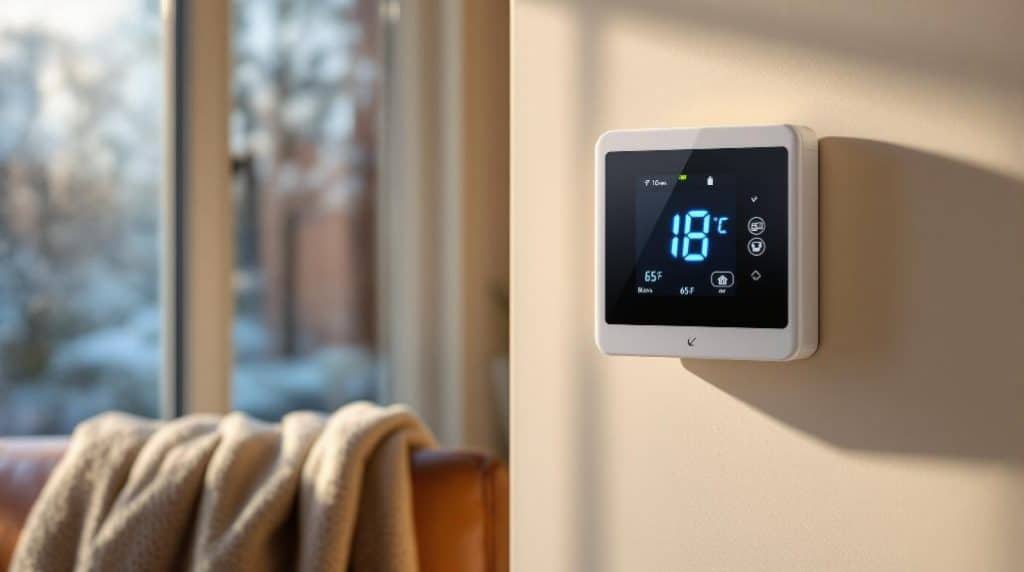
To keep cosy while slashing energy bills, set your thermostat between 18°C and 21°C. This range is comfy and can save you about 10% on your bills. If you're tucking in for the night, consider lowering it by 1-2°C; you'll hardly notice, but your wallet will thank you! Smart thermostats are a game-changer too, automatically adjusting based on your schedule and potentially saving you up to £200 annually. Plus, they help make your home more eco-friendly. Curious about other neat tips to maximise those savings? Stick around, and you'll discover even more energy-smart strategies!
Key Takeaways
- Set your thermostat to 18°C to 20°C for optimal comfort and energy efficiency during winter months.
- Lowering the thermostat by 1°C can save you up to 10% on your annual heating bills.
- Utilise a smart thermostat to automatically adjust temperatures, saving an average of £140 to £200 annually.
- Reduce the temperature by 10-15 degrees during sleep to cut heating costs while maintaining comfort.
- Implement thick curtains and draught excluders to help retain heat and enhance energy efficiency.
Ideal Winter Temperature Range
When you're setting your thermostat for winter, aiming for a temperature between 18°C and 21°C is ideal for most UK homes. This range balances comfort and energy efficiency, which is especially important when those heating bills start rolling in.
Did you know the World Health Organisation suggests 18°C as the perfect temperature for healthy adults? It's cosy enough to keep you warm without feeling like you're living in a sauna!
If you've got little ones, elderly family members, or anyone under the weather, you'll want to bump that up to around 20°C. For newborns, maintaining a snug 16°C to 20°C in their rooms is essential for their health.
So, don't be surprised if you find yourself wrapping them up like little burritos!
Another pro tip: consider lowering the thermostat by 10-15 degrees while you sleep. You'll save on your heating bills, and you might even enjoy snuggling under those warm blankets a bit more.
Smart Thermostat Benefits
Finding the right thermostat settings can greatly impact your comfort and energy bills during winter. Smart thermostats are a game changer, helping you save money while keeping your home cosy. They learn your schedule and adjust heating automatically, so you're never wasting energy when you're not home. Imagine coming back to a warm house without having to fiddle with the thermostat! Gas Safe registered engineers ensure proper installation and integration with your existing heating system.
| Benefit | Description | Savings/Impact |
|---|---|---|
| Optimised Heating | Adjusts based on your routines | Up to 12% on heating |
| Real-Time Energy Data | Shows your energy usage in real-time | Helps identify more savings |
| Automatic Adjustments | Lowers temperatures when you're away | Reduces unnecessary costs |
| Enhanced Comfort | Learns your preferences for ultimate comfort | Guarantees a cosy atmosphere at home |
With average savings ranging from £140 to £200 a year, it's like having a little money fairy! Plus, they can help the planet by reducing your carbon footprint. So, if you're looking to boost comfort and save cash, a smart thermostat might just be your new best friend!
Seasonal Temperature Adjustments
Adjusting your thermostat settings seasonally can make a big difference in both comfort and energy savings.
You don't have to freeze or sweat through the seasons; just a few tweaks can help keep your home cosy and your bills low.
Here's how to adjust your thermostat for each season:
- Spring: Lower your temperature by 2-3°C when you're not home, and keep it around 20-21°C during the day.
- Summer: Aim for 22-23°C during the day, but let it rise to 24-25°C when you're out. On hot evenings, lower it by 1-2°C to cool down comfortably.
- Autumn: Gradually lower your temperature as the weather cools, keeping it around 20-21°C during the day.
- Winter: Set your daytime temperature to about 19-20°C, and lower it by 1-2°C when you're sleeping or out.
- General Tip: Use thick curtains and draught excluders to keep that precious heat in!
Energy Efficiency and Cost Savings
To maximise both comfort and savings, it's essential to set your thermostat efficiently. Keeping your thermostat between 18°C and 20°C is recommended for ideal comfort while saving energy. If you lower it by just 5-7 degrees for eight hours, you could see significant reductions in your heating bills. Imagine snuggling up under a blanket at 16°C instead of sweltering at 20°C—cosy, right?
Here's a quick breakdown of how small adjustments can lead to big savings:
| Adjustment | Estimated Savings |
|---|---|
| Lowering by 1°C | Up to 10% annually |
| Lowering by 5-7°C | Significant reduction |
| Night temps (14-16°C) | Additional savings |
| Using Smart Thermostats | Tailored savings |
With programmable and smart thermostats, you can take control of your energy use. They adjust automatically based on your routines, so you won't have to stress about manually changing the settings. Plus, who wouldn't want to save money while staying cosy? By making these small changes, you're not just cutting costs; you're also getting more comfortable living spaces. Sounds like a win-win to me!
Environmental Impact of Thermostat Settings
While you might think thermostat settings only affect your comfort, they play an essential role in the environment as well.
Every time you adjust that dial, you're making a choice that can impact the planet. Here's how:
- Lowering your thermostat by just 1 degree can cut your energy bills by up to 10%.
- A small change in heating duration can lead to a noticeable rise in CO2 emissions.
- Central heating accounts for a whopping 53% of residential carbon emissions in the UK.
- Optimised settings can help reduce your carbon footprint considerably.
- Smart thermostats can save you energy and cut down on greenhouse gas emissions.
Think about it—if everyone made tiny adjustments, the cumulative effect could be huge!
By simply adjusting your thermostat, you're not only saving money but also helping the environment.
After all, the UK aims to reduce greenhouse gas emissions by 80% by 2050.
So, why not do your part? It's a win-win situation, where you stay warm, and the planet stays cooler.
Plus, you might even impress your friends with your eco-friendly knowledge!
Additional Tips for Lower Bills
Making small changes to your thermostat settings can't only benefit the environment but also lead to significant savings on your energy bills. Start by lowering the temperature by about 7-10°F for just eight hours a day. You could save around 10% on your heating and cooling costs.
Consider setting your thermostat to a cosy 68°F (20°C) when you're awake, and drop it to around 63-65°F (17-18°C) while you sleep. You'll hardly notice, but your wallet will! If you use a programmable thermostat, automated adjustments can make this super easy. Just set it and forget it!
Also, be mindful of your schedule. If you're leaving the house for more than four hours, adjust the temperature; raise it in summer and lower it in winter.
Oh, and if you've got a heat pump, make smaller adjustments to avoid wasting energy.
Lastly, keep your HVAC system in check. Regular maintenance guarantees everything runs smoothly. A little attention can go a long way in keeping those bills down. Your future self will thank you!
Conclusion
So, there you have it! Finding the right thermostat settings can really help you save on those pesky energy bills. By adjusting your temperature and considering a smart thermostat, you're not just saving money, but also doing your part for the environment. Remember, every degree counts! So, grab that remote or adjust those dials, and watch your savings grow. You'll feel cosy, your wallet will thank you, and hey, who doesn't love a little extra cash for a warm drink?
Ready to switch? Book smart thermostat installation in Dartford or Gravesend.