
Save Money: 7 Radiator Heat Reflection Tips
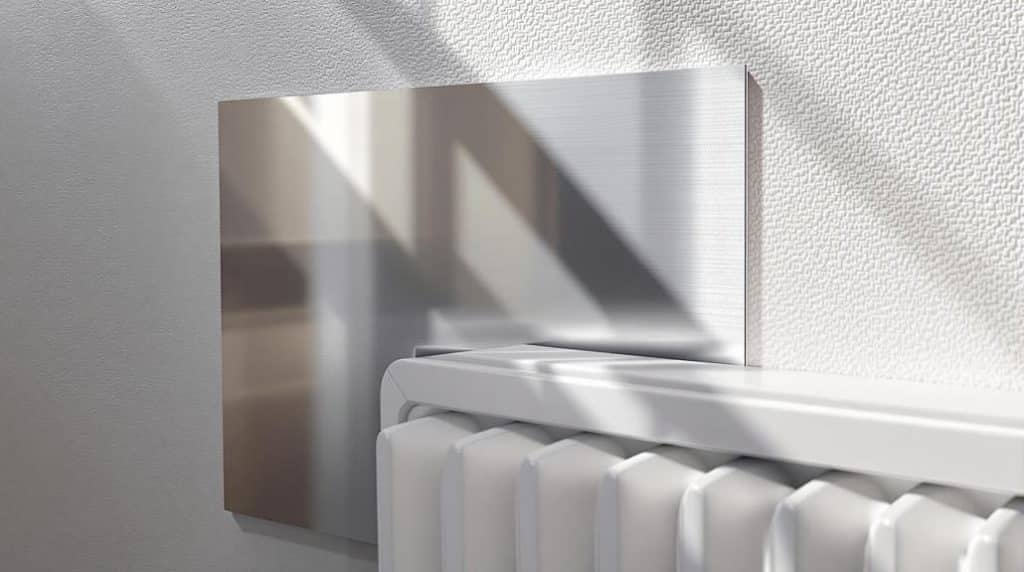
Want to save money on heating? Start by reflecting on your radiator's efficiency! First, tackle heat loss—insulate behind it with materials like tin foil or cardboard. Next, make sure you measure correctly; a snug fit is key! Secure those reflectors firmly for maximum performance. Always leave a little gap for air circulation, too. Consider commercial products like aluminium-coated foils—they're super effective and easy to install. You could save up to £20 a year just by taking these steps. It's like giving your radiator a much-needed boost! Stick around to find even more ways to heat wisely.
Key Takeaways
- Install reflective materials like aluminium-coated foils behind radiators to redirect heat back into the room and reduce heat loss.
- Use corrugated cardboard for a cost-effective, flexible solution that maintains shape and prevents bowing.
- Ensure a snug fit of reflectors by accurately measuring radiator size and maintaining a 1/2 inch gap for air circulation.
- Consider commercial products like tesamoll or Thermawrap for enhanced efficiency and easy installation.
- Expect annual energy savings of £4-£20 from reduced heat loss, recouping your reflector investment within nine months.
Understand Heat Loss Reduction
When you understand how heat loss occurs in your home, you can take effective steps to reduce it. Most of the heat from your radiators sneaks away through conduction to the walls, especially if those walls are poorly insulated.
Even if you've got some insulation, heat can still escape, particularly behind those radiators you've placed near the walls for convenience.
Now, here's the kicker: radiators mainly heat the room through convection, not radiation. So, if you're not careful, you're wasting a lot of that precious warmth! You might notice this when you feel a chilly draught near your radiators or when thermal imaging shows those walls behind them looking cooler than a polar bear in winter.
But don't fret! By understanding these heat loss mechanisms, you can start making changes. Simple DIY solutions, like hanging tin foil behind your radiators, can help bounce some of that heat back into the room.
You'll not only keep your space warmer but also save on energy bills. So, grab some foil and let's turn that heat loss into heat gain!
Choose Effective Reflective Materials
To effectively keep heat in your home, selecting the right reflective materials is key. You want materials that not only reflect heat but also provide some insulation. Corrugated cardboard is a solid choice—it's stiff enough to hold its shape but flexible enough for easy placement. Just think of it as the trusty sidekick for your radiator!
While aluminium foil might seem like an obvious option, its effectiveness can fade due to oxidation over time. Instead, consider using fibreglass coated with aluminium foil, which withstands higher temperatures and offers excellent thermal protection. These materials can reflect nearly 100% of radiant heat at specific wavelengths, making them a superstar in heat reflection.
For added insulation, thicker materials like foam can work wonders, too. They help reduce heat loss while being easy to remove for cleaning, especially when winter rolls back around.
Measure and Cut Properly
Getting your measurements right is essential for a successful installation of reflective materials behind your radiator. Start by grabbing a tape measure and check the size of your radiator, as well as the space behind it.
Don't forget to take into account the insulation level of the wall—it can make a big difference in performance. You want that reflective material to fit snugly, covering the entire area behind the radiator to maximise heat reflection.
When it comes to cutting, use a sharp utility knife or scissors, depending on the thickness of your material. Remember, measure twice and cut once to avoid mistakes. A precise cut guarantees a close fit, and excess material should be trimmed neatly so it doesn't interfere with your setup.
Keep in mind that the reflective material should be at least 1/2 inch from the wall to allow air circulation.
Also, check for any obstacles like electrical outlets or furniture that might get in the way. With careful measuring and cutting, you'll have a setup that not only looks neat but also helps your radiator work more efficiently.
Happy measuring!
Secure Reflectors Effectively
Securing reflectors effectively is essential for maximising the efficiency of your radiator. You want them to stay in place and do their job, right?
Start by using corrugated cardboard with horizontal corrugations; this helps avoid bowing. Attach your reflectors using tabs that hang from the radiator brackets. If your brackets stop below the top, create slots in the reflector to keep the wall covered.
For those DIY enthusiasts out there, consider using file binders or even skewers to join sections of the panel. It's like a little arts and crafts project! Just make sure the reflector is held taut; if it touches the radiator, it can reduce heat output, and we definitely don't want that.
Choose materials that maintain their reflectivity, like foam-backed sheets or specialised reflectors. Steer clear of kitchen foil; it's a one-hit wonder that loses shine quickly.
Finally, if you're looking for something more robust, products like Radflek are durable and super easy to install. So, get those reflectors secure, and watch your heating efficiency soar!
Maintain Necessary Gaps
Maintaining necessary gaps is essential for ensuring that your reflective insulation works effectively. You might think, "What's the big deal about gaps?" Well, those little air spaces are the secret to maximising your insulation's performance!
For your roof, you'll need at least a 13mm gap, while walls require 20mm, and floors demand a hefty 50mm.
Why are these gaps so important? They prevent heat from sneaking through by conduction, allowing reflective insulation to do its job. With an unventilated air gap, your insulation can reflect up to 97% of radiant heat back into your space. Imagine that cosy warmth staying where you want it—sounds
Explore Commercial Products
When it comes to enhancing your home's energy efficiency, exploring commercial products like radiator heat reflective foils can make a significant difference.
These nifty products, such as tesamoll and Thermawrap, are designed to reflect radiant heat back into your room, which means you can stay cosy without cranking up the thermostat.
Made from aluminium-coated materials, these foils not only boost heating efficiency but also come combined with durable insulating materials.
Imagine cutting down on your heating bills while enjoying a warm, snug space—sounds great, right?
Plus, they're lightweight, easy to install, and resistant to water, mould, and fungi, making them hassle-free.
You won't need a Ph.D. in engineering to figure out how to use them.
Just cut the foil to fit behind your radiator, and voilà! You're on your way to creating a comfy environment.
Also, they're easy to clean, so you won't have to worry about them getting grimy.
Calculate Potential Energy Savings
Calculating potential energy savings from radiator heat reflectors can reveal impressive benefits for your home.
First, consider your wall insulation; if it isn't great, you could lose up to 30% of heat through the walls behind the radiator. By installing reflectors, you can reduce this loss considerably, particularly in older homes built before 1980.
Now, let's talk numbers. In a small room, like a cosy bedroom, you might save around 60 kWh annually in the UK's climate. That translates to annual savings between £4 and £20—every little bit helps, right?
Plus, if you factor in the efficiency of your boiler, you could see even more savings.
The best part? You can recoup your investment in as little as nine months.
Imagine sipping hot cocoa in a toasty room, knowing you're saving money while staying warm.
Conclusion
So, there you have it! By reflecting on these radiator heat tips, you can keep your home cosy while saving some cash. Remember, it's all about reducing heat loss and using the right materials. With a bit of measuring and creativity, you'll transform your space and feel like a DIY hero. Plus, who doesn't love a lower energy bill, right? So grab those reflectors, and let's get to work—your wallet will thank you!
Radiators not heating up? I diagnose and fix central heating repairs in Dartford and Gravesend. A power flushing can clear any sludge that's causing the problem.