
7 Best Dishwasher Temperatures For Lower Energy Bills
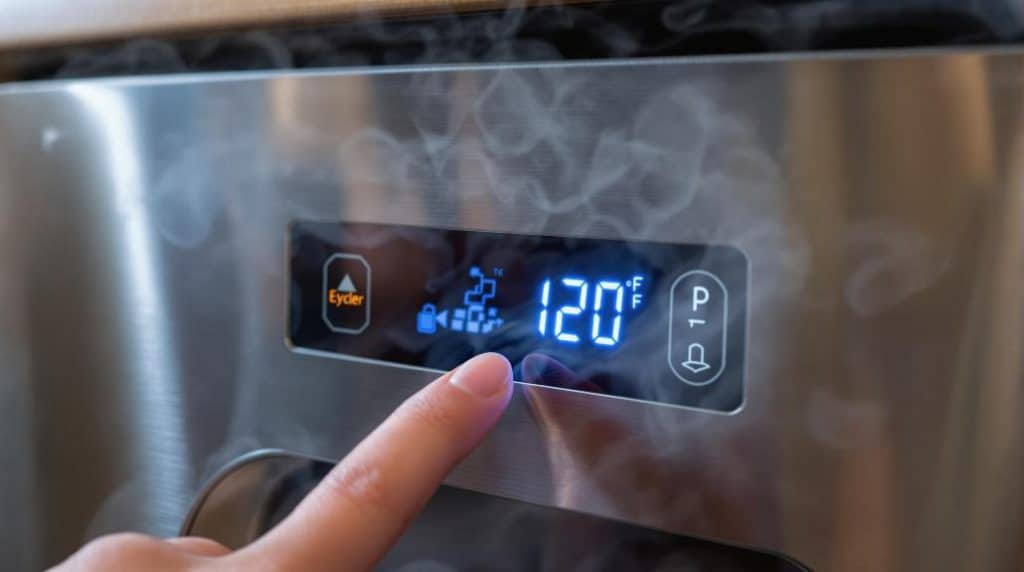
Using the right dishwasher temperatures can help you save on energy bills! Start with the eco-cycle at around 104°F for lightly soiled dishes; it's gentle yet effective. For normal loads, stick to 120°F; this temperature hits the sweet spot between cleaning power and energy savings. Heavily soiled items? Crank it up to 140°F. If you've got delicate glassware, keep it lower, around 104°F to 120°F—your crystal will thank you! With these tips, you'll embrace cleaner dishes and lower bills. Curious about more dishwasher hacks? There's definitely more to explore!
Key Takeaways
- Set the dishwasher temperature to 104°F (40°C) for optimal cleaning while minimising energy consumption.
- Use eco-cycle settings for lightly soiled dishes, which typically operate at lower temperatures for energy efficiency.
- Maintain a normal cycle temperature of 120°F to balance effective cleaning and energy use of 3-5% per 10°F decrease.
- For heavy-duty cleaning, use at least 140°F (60°C), but limit frequent use to avoid higher energy bills.
- Regularly clean filters and descale every few months to ensure optimal performance and reduce overall energy use.
Energy Efficient Dishwasher Settings
When you want to cut down on energy bills, choosing the right dishwasher settings is essential. You can be a dishwasher hero by simply adjusting a few settings!
Start with regular filter cleaning. If you clean those filters every one to three months, you'll notice better water flow and lower energy use. Don't forget to descale your dishwasher every three to six months to keep it running smoothly.
When it comes to loading, think Tetris! Properly loading dishes maximises space and minimises water usage.
Choose the eco-cycle for lightly soiled dishes; it's like giving your dishwasher a spa day. For those moderately soiled plates, the normal cycle is your best bet. And if you've got some tough, baked-on messes, go for the pots and pans cycle to guarantee everything's sparkling clean.
Activating energy-saving features like delay start lets you run your dishwasher during off-peak hours, saving you even more cash.
Temperature Savings Overview
Choosing the right dishwasher settings not only improves cleaning efficiency but also plays a significant role in energy savings. By lowering your dishwasher temperature, you can cut energy consumption by up to 20% compared to those scorching high-temp cycles.
Did you know that washing at a cosy 104°F (40°C) is ideal for most loads? Some dishwashers even come with an "Eco" or "Low" setting, perfect for saving energy without sacrificing cleanliness.
Now, let's talk numbers. Just a 1°C increase can hike your energy usage by 6-8%. That's a lot when high-temperature cycles can consume up to 70% of your dishwasher's energy!
When you use the right temperature for each load type, you can save up to 30% on energy costs. Plus, modern dishwashers are designed to clean effectively at lower temperatures, making your life easier.
Ideal Settings for Delicate Items
To guarantee your delicate items remain in great condition while still being effectively sanitised, it's essential to use the right temperature settings.
For most delicate items, you'll want to keep the temperature between 104°F to 140°F (40°C to 60°C). Going too low mightn't properly sanitise, while cranking it up above 140°F could ruin plastics and fragile materials.
When washing glassware, you can usually push the limits to 140°F for a thorough clean. However, fine china and crystal need more TLC, so stick to around 104°F to 120°F to avoid any cracks.
Plastics? Keep them below 120°F to preserve their integrity.
Using delicate cycles helps too; they often have lower water pressure and shorter times, reducing wear and tear while saving energy.
Many dishwashers come with eco modes that adjust settings based on what you're washing, which is a win-win for both your dishes and the planet.
Recommended Normal Cycle Temperatures
Adjusting your dishwasher settings not only protects delicate items but also optimises cleaning for everyday dishes.
For your normal cycles, the temperature range is usually between 120°F and 140°F. While the US Department of Energy recommends 140°F, you might find that sticking to 120°F can save you some energy. Every 10°F increase can boost energy use by 3-5%, which adds up fast if you're running that machine frequently.
Most manufacturers agree that 140°F is the golden standard for effective cleaning, but if you're washing lightly soiled dishes, 120°F could work just fine.
Plus, eco-mode settings often kick in at lower temperatures, making them a great option for energy savings. Just remember, if you opt for that lower temp, you might need a bit more detergent to get the same cleaning power.
Heavy-Duty Cycle Temperature Guide
When tackling heavily soiled dishes, understanding the right temperature for your dishwasher's heavy-duty cycle is essential for ideal cleaning and energy efficiency. You'll want to set that temperature to at least 140°F (60°C). This guarantees your greasy pans and caked-on plates get the scrubbing they need.
Keep in mind, though, this cycle uses about 10% to 20% more water than normal cycles, and it takes about 25% longer—so plan accordingly!
Using the heavy-duty cycle too often can inflate your energy bill, adding an estimated £35 to £55 a year. Try to limit it to once per day, especially if you're not dealing with a mountain of dirty dishes.
If you've got bulk items or dishes that are more than 75% full of grime, then this cycle is your best friend. For even better results without breaking the bank, consider pre-rinsing your dishes; it can really cut down on the need for heavy-duty cycles.
And if you can, run your dishwasher during off-peak hours. Your wallet will thank you!
Effective Sanitize Cycle Temperatures
While you might think any wash cycle will suffice, using the sanitise cycle at the right temperatures is essential for effectively eliminating germs from your dishes. The NSF International standards recommend that water should be at least 140°F for proper sanitising.
If you're looking for a bit more wiggle room, a minimum of 131°F can also do the trick, but keep in mind that holding times will vary with lower temperatures.
Now, I get it—higher temperatures can be a drain on your energy bill. But here's a tip: you can use those lower temps with longer holding times to still achieve effective sanitisation.
Just remember, not all dishes can handle the heat! Some glassware and plastics might warp or even melt if you're not careful.
The key takeaway? If you want squeaky clean and sanitised dishes, you'll need to stick to the right temperature guidelines.
Plus, smart sensors on newer dishwashers can help optimise settings for energy efficiency.
Factors Influencing Temperature Choices
Choosing the right temperature for your dishwasher involves considering several factors that can impact both cleaning effectiveness and energy efficiency.
For starters, think about your water type. If you have hard water, you'll need higher temperatures to fight off limescale. But if your water's soft, you can keep things cooler without worry.
Next, consider your dishes and how much you're washing. Heavy loads often need that extra heat to get clean, while delicate glassware prefers a gentle touch.
And let's not forget about those stubborn, greasy pots—high temps can work wonders here!
Energy efficiency is another vital factor. Lower temperatures usually mean lower energy bills, which is a win in anyone's book.
Plus, running your dishwasher during off-peak hours can save even more money.
Lastly, keep safety and the environment in mind. High temperatures might sanitise better, but they can wear out your dishwasher faster.
Conclusion
So, there you have it! By choosing the right dishwasher temperatures, you can save money on energy bills and keep your dishes sparkling clean. Whether you're washing delicate glassware or tackling a hefty load of pots and pans, there's a setting for that. Just remember, a little thought goes a long way. So, next time you load up the dishwasher, think about those settings. Your wallet—and the planet—will thank you! Happy washing!